
Tooth Colored Fillings
A healthy, beautiful smile starts here

Tooth Colored Fillings | Dentist
Improve your smile today – call to schedule a consultation!
Claim Now!

Tooth Colored Fillings

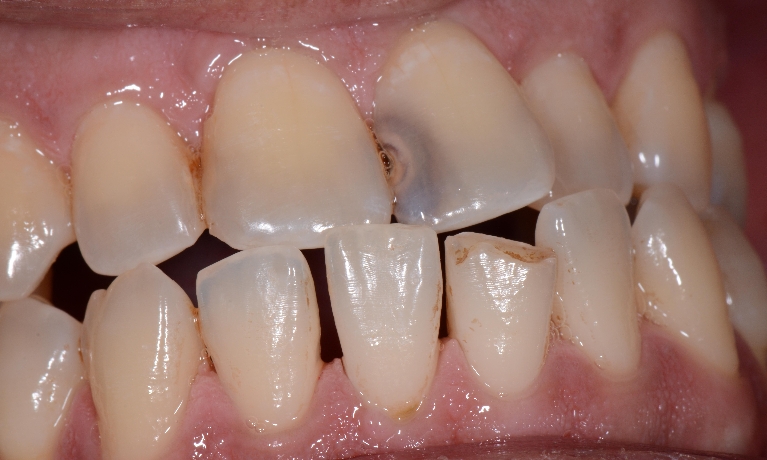
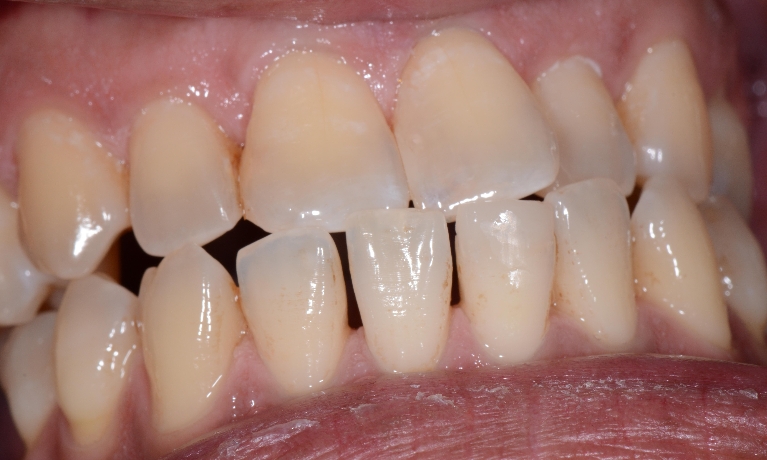
A tooth colored filling is known by many names, a white filling, a composite, a bonding, or a composite restoration.  All these names refer to a type of tooth filling material which mimics the natural shade of your existing tooth.  These restorations are incredibly versatile being utilized in many different clinical situations.  Composites are bonded to your existing tooth using a highly sophisticated dental adhesive.  This allows more of your natural tooth to be spared in minimally invasive dental restorative procedures.  Tooth-colored fillings while versatile are not as long-term of a restoration when they are used to replace large portions of missing tooth structure.  However, in some instances they are exactly the right choice for the clinical situation.

There are many instances where a tooth colored filling material may be used.    One of the most common situations is to replace missing tooth structure lost to a cavity or tooth-decay.   Typically, the tooth is first anesthetized and the decayed area is removed.  Next, a special type of tooth adhesive is used to prepare the remaining tooth surface to adhere to the composite restoration which is then placed in the prepared area of the tooth.  Another common situation where composite restorations are used is on root-surfaces of teeth and or areas of missing enamel.  Composite can also be used an interim or temporary filling material when a tooth has more significant problems such as large areas of decay or cracks.  The composite can serve to maintain the integrity of the tooth until a more long-term clinical restoration such as a crown may be completed.  There are literally dozens of instances where composite can be used and once at our practice we can determine if this is a good option for you. 

Placement of composite fillings is one of the most common treatments in dentistry.  They are typically affordable and require only one visit.  While not the answer to all dental related problems, they provide a viable option in many circumstances.  Our practice strives to find the best biomaterials for your composite restorations and takes pride in the result.  Our desire is maximum longevity and patient happiness with all the dental work that is completed at our practice. 

Frequently Asked Questions

A cavity or break in tooth structure is caused by an acid-erosive process driven by bacteria.  The foods that remain in between and on teeth after a meal serve as food for thousands of bacteria reside in the mouth.  Shortly after eating a build-up occurs of white-, soft material on the teeth near the gumline- this is substance is known as plaque.   Plaque contains cavity causing bacteria which attempt to adhere to the tooth structure.     The bacteria in plaque produce acid and if let undisturbed begin a demineralization or breakdown of the enamel to which it is attached. 

As plaque remains on tooth structure, it begins to transform into another substance called tartar.  Tartar is a hard, white material which also contains bacteria that produce acid and cause cavity formation.  Tartar , is also known as calculus, can only be removed by a dental professional such as a dental hygienist due to its tenacious attachment to tooth structure.  The acids produced by both plaque and tartar are by-products of metabolic or digestive processes which occur in the bacteria.  These acids cause tooth decay by destroying enamel and gradually penetrating deeper into tooth structure.

Fortunately, it is possible to reduce the likelihood of cavity formation.  Brush your teeth twice daily for two minutes or ideally brush your teeth following each meal.  Also, floss at least once a day.  The key to cavity prevention is frequent disruption of plaque formation before it has a chance to turn into tartar.  Limiting acidic foods and beverages such as orange juice, soft-drinks, and lemons also helps to reduce the acidic challenge to your oral cavity.  Finally, regular dental check-ups and cleanings can help to prevent cavity formation or catch cavities before they progress.  If a cavity is caught early enough, many times it can be reversed using various reminerlization techniques thus preventing the need for dental work!  

Meet Our Doctor:

Matthew Giunta DMD, FICOI

Dr. Matthew Giunta was born and raised in Tampa, Florida. After graduating from Jesuit High School in 2001, he earned his Bachelor of Science degree in Biomedical Sciences from the University of South Florida in 2005. In 2009, Dr. Giunta earned his Doctor of Dental Medicine degree from the University Of Florida College Of Dentistry.

Dr. Matthew is devoted to learning about the latest techniques and technology in dentistry to restore teeth damaged through aging and trauma.  He continually updates his knowledge base by attending ...

Getting an appointment is fast and easy!
Get Started!